
A Comprehensive Breakdown of Plastic Injection Molding Costs in Malaysia
Plastic injection molding is a widely used manufacturing process in Malaysia, serving industries from automotive to consumer goods. Understanding the cost structure of injection molding projects is essential for businesses aiming to manage budgets effectively and make informed decisions. This post breaks down the main cost components involved in plastic injection molding projects in Malaysia, focusing on tooling, resin, labor, and assembly costs.
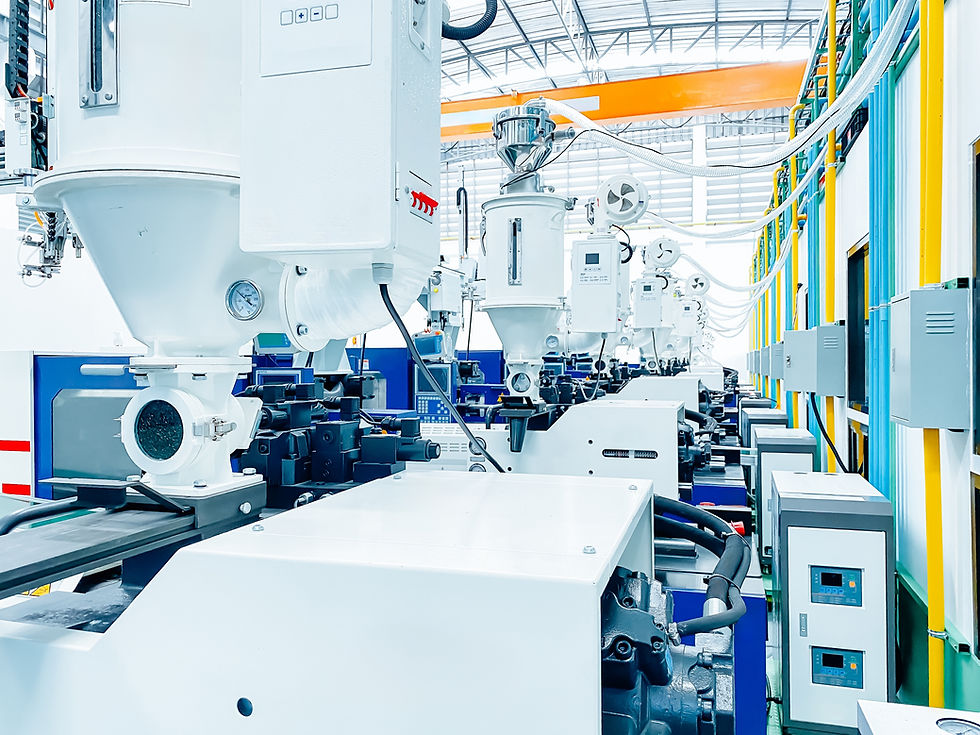
Tooling Costs: Design and Manufacturing
Tooling represents one of the largest upfront expenses in plastic injection molding. It involves creating the mold that shapes the plastic parts. The cost depends on several factors:
Design Complexity
More complex parts require intricate mold designs, which increase engineering time and cost. For example, molds with multiple cavities or undercuts need advanced design and manufacturing techniques.
Material of the Mold
Steel molds are durable but expensive, suitable for high-volume production. Aluminum molds cost less but wear out faster, making them ideal for prototyping or low-volume runs.
Manufacturing Process
CNC machining is commonly used to create molds with high precision. EDM (Electrical Discharge Machining) may be required for detailed features, adding to the cost.
Lead Time
Faster turnaround times often increase tooling costs due to overtime or expedited services.
In Malaysia, tooling costs typically range from RM10,000 to RM100,000 depending on size and complexity. For example, a simple single-cavity mold for a small consumer product might cost around RM15,000, while a multi-cavity automotive part mold can exceed RM80,000.
Investing in quality tooling upfront reduces defects and maintenance costs later, making it a critical factor in project budgeting.
Resin Costs: Types and Pricing Impact
Resin is the raw plastic material injected into the mold to form parts. Resin costs vary widely based on type, quality, and supplier.
Common Resin Types
- Polypropylene (PP): Affordable and versatile, used in packaging and household items.
- Acrylonitrile Butadiene Styrene (ABS): Offers good strength and surface finish, common in electronics.
- Polycarbonate (PC): Higher cost, used for durable and transparent parts.
- Nylon (PA): Strong and heat resistant, used in automotive and industrial applications.
Pricing Factors
Resin prices fluctuate with global oil prices since most plastics are petroleum-based. In Malaysia, resin prices range from RM4 to RM20 per kilogram depending on type and grade.
Additives and Colorants
Adding color or special properties (UV resistance, flame retardants) increases resin cost.
For example, producing 1,000 units of a small ABS part weighing 50 grams each would require 50 kg of resin. At RM8/kg, the resin cost alone is RM400. Choosing a higher-grade resin like polycarbonate could double this cost.
Selecting the right resin balances performance requirements and budget constraints.
Labor Costs: Skilled vs. Unskilled Workforce
Labor costs in Malaysia vary based on skill level and job function within the injection molding process.
Skilled Labor
Includes mold designers, machine operators, and quality control technicians. Skilled workers command higher wages due to their expertise. Their role is crucial in setting up machines, troubleshooting, and ensuring product quality.
Unskilled Labor
Often involves material handling, basic machine tending, and assembly line work. These roles have lower wages but are essential for smooth production flow.
Typical labor costs in Malaysia for injection molding range from RM1,200 to RM3,500 per month depending on skill and experience. For project costing, labor is often calculated per hour or per shift.
For example, a skilled operator might earn RM15 per hour, while unskilled labor costs RM6 per hour. A project requiring 100 hours of skilled labor and 200 hours of unskilled labor would have labor costs of RM1,500 + RM1,200 = RM2,700.
Investing in skilled labor improves efficiency and reduces defects, which can lower overall costs despite higher wages.
Assembly Costs and Their Effect on Budgets
Many injection molded parts require post-molding assembly, which adds to the total project cost.
Types of Assembly
- Manual assembly: Workers fit parts together, add fasteners, or perform finishing.
- Automated assembly: Machines handle repetitive tasks, reducing labor but requiring capital investment.
Cost Drivers
- Complexity of assembly steps
- Number of components to assemble
- Quality control and testing requirements
Assembly costs in Malaysia can range from RM0.10 to RM2.00 per unit depending on complexity. For example, assembling a simple snap-fit plastic enclosure might cost RM0.20 per unit, while a multi-component electronic housing requiring screws and seals could cost RM1.50 or more.
Including assembly costs early in budgeting helps avoid surprises and ensures accurate pricing.
Understanding the detailed cost components of plastic injection molding projects in Malaysia helps businesses plan better and negotiate effectively with suppliers. Tooling costs represent a significant upfront investment, but quality molds reduce long-term expenses. Resin choice impacts both cost and product performance, so selecting the right material is key. Labor costs vary with skill level, and investing in skilled workers can improve efficiency. Assembly costs add another layer to the budget and should be factored in early.
By breaking down these costs clearly, companies can make smarter decisions, control budgets, and deliver quality products on time. If you are planning a plastic injection molding project, consider each of these areas carefully to optimize your investment and production outcomes.


Comments