
Choosing the Right Plastic Injection Molding Company: Insights from Injection Molding Experts
When it comes to manufacturing plastic parts, the choice of a partner can make or break your project. I’ve seen firsthand how selecting the right injection molding experts can streamline production, reduce costs, and improve product quality. But how do you identify the best fit for your needs? This post will guide you through the critical factors to consider when choosing a plastic injection molding company, ensuring your manufacturing process is efficient and reliable.
Why Experience Matters with Injection Molding Experts
Experience is more than just years in business. It reflects a company’s ability to handle diverse projects, troubleshoot issues, and innovate solutions. When I evaluate injection molding experts, I look for a proven track record in producing parts similar to my specifications. This includes:
Familiarity with various plastic materials and their properties
Expertise in mold design and maintenance
Capability to manage complex assemblies and tight tolerances
For example, a company that has worked extensively with medical-grade plastics will understand the stringent quality controls required. On the other hand, a firm specializing in automotive parts might excel in high-volume production and durability testing.
Choosing a partner with broad experience means fewer surprises during production. They can anticipate challenges and suggest design improvements early on, saving time and money.
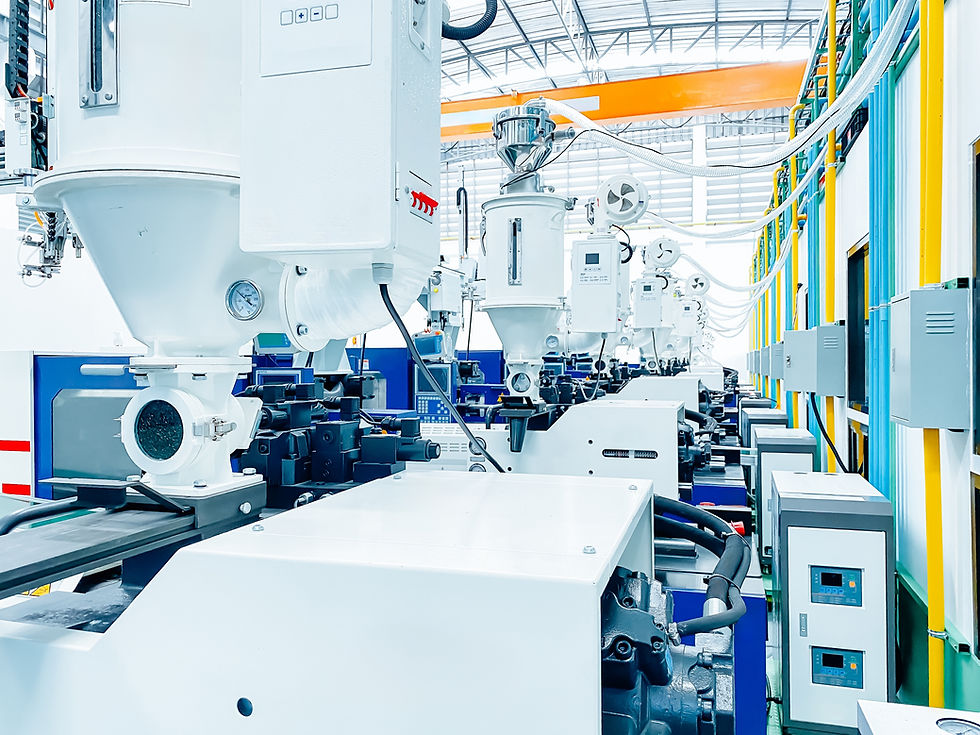
Injection molding machine nozzle close-up during plastic part production
Key Factors to Evaluate When Selecting Injection Molding Experts
Selecting the right injection molding experts involves more than just price comparison. Here are the essential factors I consider:
1. Technical Capabilities
Machine Range: Does the company have machines that match your part size and complexity? From small precision molds to large structural components, the right equipment is crucial.
Material Expertise: Can they work with the specific plastics you require? Some companies specialize in thermoplastics, others in thermosets or elastomers.
Tooling and Prototyping: Do they offer in-house mold design and prototyping services? This speeds up development and ensures better control over quality.
2. Quality Assurance
Certifications: Look for ISO 9001 or industry-specific certifications that demonstrate commitment to quality.
Inspection Processes: Do they use advanced inspection tools like CMM (Coordinate Measuring Machines) or 3D scanning?
Traceability: Can they provide full traceability of materials and processes? This is vital for regulated industries.
3. Production Capacity and Lead Times
Volume Flexibility: Can they handle both low-volume prototypes and high-volume production runs?
Turnaround Time: What are their typical lead times? Fast delivery can be a competitive advantage.
Scalability: Are they equipped to scale production as your demand grows?
4. Communication and Support
Project Management: Is there a dedicated contact managing your project?
Transparency: How often do they provide updates and reports?
Problem Resolution: How quickly do they respond to issues or changes?
5. Location and Logistics
Proximity: While global shipping is common, closer partners can reduce shipping costs and lead times.
Supply Chain Integration: Do they coordinate with your other suppliers or assembly partners?
By carefully assessing these factors, you can narrow down your options to a company that aligns with your project goals and operational needs.
How much do plastic injection molds cost?
Understanding the cost of plastic injection molds is essential for budgeting and planning. Mold costs vary widely depending on several factors:
Complexity of the Mold: More intricate designs with multiple cavities or moving parts increase cost.
Size of the Mold: Larger molds require more material and machining time.
Material of the Mold: Steel molds are more durable but costlier than aluminum molds.
Quantity of Parts: High-volume production justifies investing in expensive, durable molds.
For example, a simple single-cavity mold for a small part might cost between $5,000 and $10,000. In contrast, a multi-cavity mold for a complex automotive component could exceed $100,000.
Keep in mind that mold cost is a one-time investment that impacts the per-part cost. A well-designed mold reduces defects and maintenance, saving money over the product lifecycle.
When discussing costs with injection molding experts, ask for detailed quotes that break down tooling, setup, and per-part pricing. This transparency helps avoid surprises and supports better decision-making.

Injection mold components laid out on a workbench for inspection
The Role of Innovation and Technology in Injection Molding
Technology is advancing rapidly in the injection molding industry. The best injection molding experts leverage these innovations to improve quality and efficiency. Here are some trends I watch closely:
Automation: Robotic arms and automated material handling reduce cycle times and improve consistency.
Simulation Software: Mold flow analysis helps optimize mold design and predict potential defects before production.
Additive Manufacturing: 3D printing is used for rapid prototyping and even creating mold inserts.
Sustainable Practices: Use of recycled materials and energy-efficient machines supports environmental goals.
Partnering with a company that embraces technology means you benefit from faster development, lower costs, and higher-quality parts.
Building a Long-Term Partnership with Your Plastic Injection Molding Company
Choosing a plastic injection molding company is not just about a single project. It’s about building a relationship that supports your product development and manufacturing needs over time. Here’s how I approach this:
Start Small: Begin with a pilot project or prototype to evaluate capabilities and communication.
Share Your Vision: Be transparent about your product goals, timelines, and quality expectations.
Collaborate on Design: Work together to optimize part design for manufacturability and cost.
Plan for Growth: Discuss future projects and scaling options early on.
Regular Reviews: Schedule periodic performance reviews to address issues and improve processes.
A strong partnership reduces risks and accelerates time to market. It also ensures you have a reliable manufacturing partner who understands your business.
If you want to explore options, consider reaching out to a trusted plastic injection molding company that offers comprehensive services from design to assembly. Their expertise can help you navigate the complexities of injection molding with confidence.
Final Thoughts on Selecting Injection Molding Experts
Choosing the right injection molding experts is a strategic decision that impacts your product’s success. By focusing on experience, technical capabilities, quality assurance, and communication, you set the foundation for a smooth manufacturing process.
Remember, the cheapest option is not always the best. Investing time in vetting your partner pays off in reduced defects, faster delivery, and better overall value.
Take the time to ask questions, request samples, and visit facilities if possible. The right partner will welcome your involvement and work with you to achieve your goals.
In the end, a reliable injection molding partner is more than a supplier - they are a key contributor to your product’s journey from concept to market.


Comments