
Essential Role of Prototyping for Manufacturing
In today’s fast-paced manufacturing world, speed and precision are everything. When companies develop new products, they need to move quickly from concept to market-ready item. This is where prototyping plays a crucial role. It’s not just about creating a model; it’s about testing ideas, refining designs, and ensuring that the final product meets all expectations. I’ve seen firsthand how effective prototyping can save time, reduce costs, and improve product quality.
Why Prototyping for Manufacturing Matters
Manufacturing is complex. It involves multiple stages, from design and material selection to assembly and quality control. Prototyping for manufacturing acts as a bridge between the initial idea and full-scale production. It allows companies to:
Visualize the product before committing to mass production.
Identify design flaws early, avoiding costly mistakes.
Test functionality and usability in real-world conditions.
Gather feedback from stakeholders and potential users.
Optimize manufacturing processes by understanding assembly challenges.
Without prototyping, companies risk launching products that don’t meet customer needs or fail quality standards. This can lead to expensive recalls, wasted materials, and damaged reputations. Prototyping helps mitigate these risks by providing a tangible, testable version of the product.
What does prototyping mean?
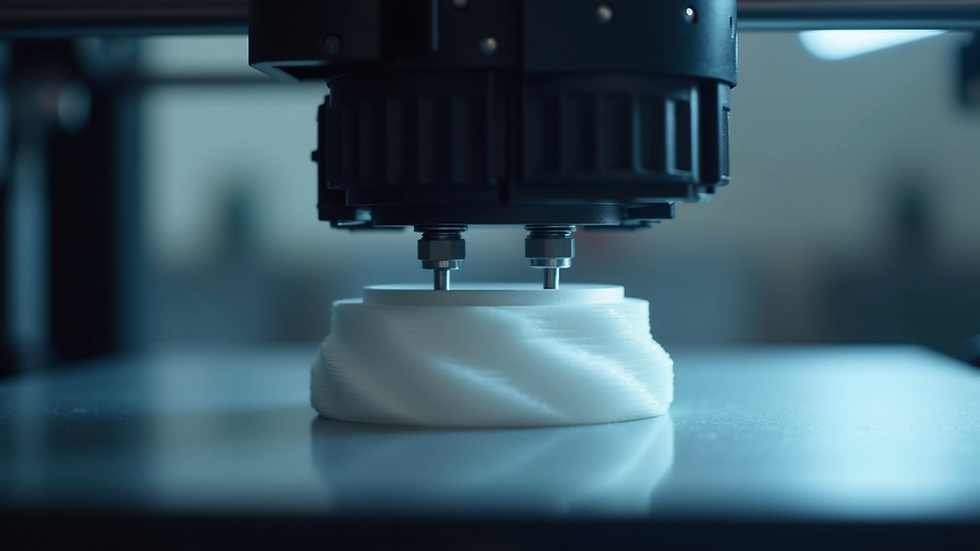
Prototyping means creating an early sample, model, or release of a product to test a concept or process. It’s a crucial step in product development that allows manufacturers to explore ideas and make improvements before final production. Prototypes can range from simple sketches or cardboard models to fully functional versions made with advanced materials.
There are several types of prototypes:
Concept Prototypes - Basic models to visualize the idea.
Working Prototypes - Functional models that demonstrate how the product operates.
Visual Prototypes - Detailed models focusing on appearance and ergonomics.
Pre-production Prototypes - Near-final versions used to test manufacturing processes.
Each type serves a different purpose but collectively helps refine the product. For example, a working prototype can reveal mechanical issues that a visual prototype might miss. This iterative process ensures the final product is both functional and manufacturable.
How Prototyping Services Enhance Manufacturing Efficiency
When companies partner with expert prototyping services, they gain access to specialized knowledge and technology. These services offer:
Rapid turnaround times using advanced techniques like 3D printing, CNC machining, and injection molding.
Material expertise to select the best options for durability, cost, and performance.
Design for manufacturability (DFM) analysis to ensure the prototype can be efficiently produced at scale.
Customization and flexibility to adapt prototypes based on testing results.
By leveraging these services, manufacturers can reduce development cycles and avoid costly redesigns. For example, a global electronics company might use prototyping services to test different casing materials and internal layouts before finalizing the design. This approach saves months of trial and error during production.

Practical Steps to Integrate Prototyping in Manufacturing
To maximize the benefits of prototyping, companies should follow a structured approach:
Define clear objectives - Know what you want to test or validate with the prototype.
Choose the right prototype type - Match the prototype to your development stage and goals.
Collaborate with experts - Work with prototyping specialists who understand your industry.
Iterate based on feedback - Use test results to refine the design continuously.
Plan for scalability - Ensure the prototype design can transition smoothly to mass production.
For instance, a medical device manufacturer might start with a concept prototype to secure funding, then move to a working prototype for clinical testing, and finally create a pre-production prototype to validate manufacturing processes. Each step builds confidence and reduces risk.
Future Trends in Prototyping for Manufacturing
The manufacturing landscape is evolving rapidly, and prototyping is keeping pace. Emerging trends include:
Digital twins - Virtual replicas of products that simulate real-world performance.
Advanced materials - Use of composites and smart materials in prototypes.
Automation and AI - Automated design optimization and defect detection.
Sustainability focus - Prototyping with eco-friendly materials and processes.
These innovations will make prototyping faster, more accurate, and more aligned with sustainable manufacturing goals. Companies that adopt these trends will gain a competitive edge by bringing better products to market more efficiently.
Moving Forward with Prototyping
Incorporating prototyping into your manufacturing process is not optional anymore; it’s essential. It reduces uncertainty, improves product quality, and accelerates time to market. Whether you are developing a simple consumer good or a complex industrial machine, prototyping provides the insights needed to succeed.
By partnering with experienced prototyping providers, you can access the tools and expertise necessary to navigate the challenges of product development. This collaboration ensures your designs are practical, manufacturable, and ready for the global market.
Investing in prototyping today means fewer surprises tomorrow. It’s a strategic move that supports innovation and drives business growth in a competitive manufacturing environment.


Comments